
Where Is Bhutan?
A Small Kingdom in the Himalayas
Bhutan is a landlocked sanctuary in the Eastern Himalayas, nestled between China and India. Covering 38,394 sq km, the 'Kingdom of the Thunder Dragon' consists of 20 districts known as dzongkhags. While Dzongkha is the national language, English is widely spoken by the exceptionally friendly and welcoming locals. This spiritual land is deeply rooted in faith; roughly 70% of people practice Buddhism, with the remainder primarily following Hinduism. It is a breathtaking realm where majestic peaks meet serene, fertile valleys. As a fun fact for your journey, Bhutan is the only nation that measures its success through Gross National Happiness rather than just GDP.

How Will You Enter Bhutan?

By Air
The flight into Paro is one of the most spectacular aerial journeys in the world. You will glide past Himalayan titans like Everest and Kanchenjunga before descending into the narrow Paro valley. Paro International Airport (PBH) is the only international airport in the country, served primarily by Drukair and Bhutan Airlines.

Tradition Meets the Modern World
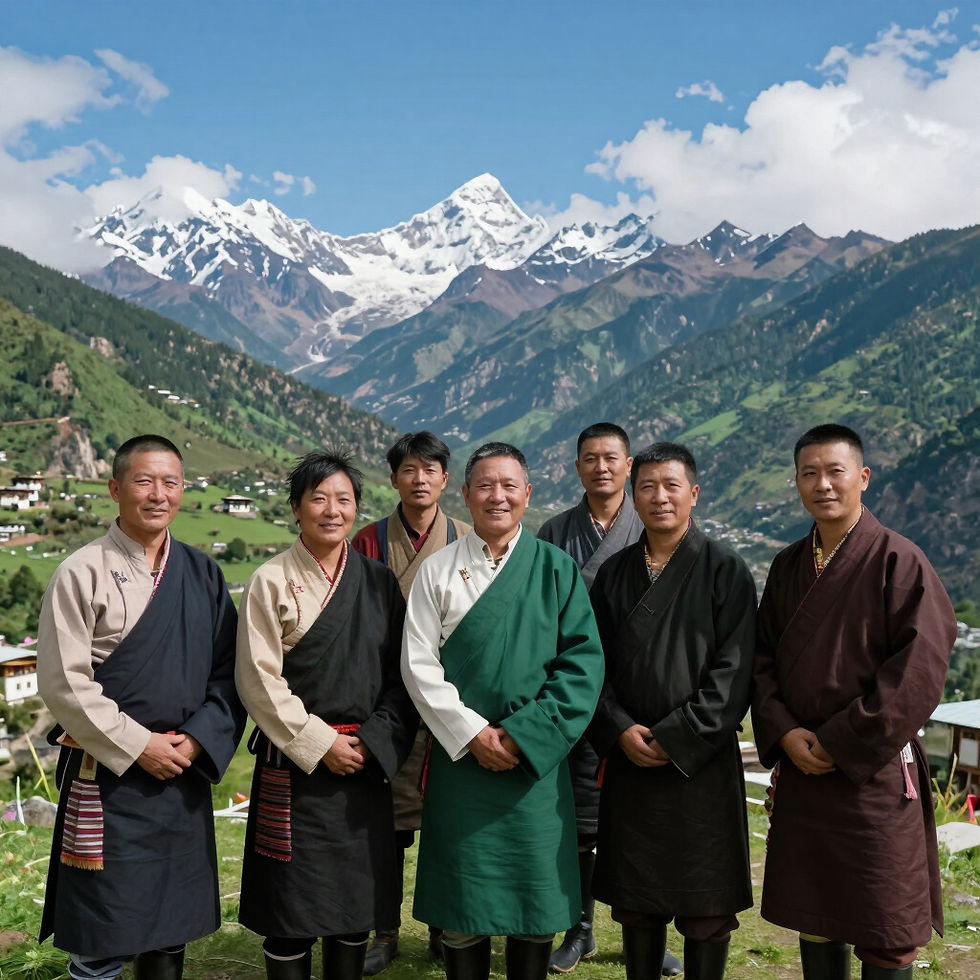
Bhutan is a country that has carefully managed its opening to the outside world. Here, tradition is not just a performance for tourists—it is a way of life. The Gho and Kira are still the daily dress, and the philosophy of Gross National Happiness prioritizes well-being over purely economic gains.


By Land
Entering by road offers a gradual immersion into Bhutanese life. The most common entry point is Phuntsholing in the southwest, bordering the Indian state of West Bengal. Other border crossings include Gelephu and Samdrup Jongkhar in the south. This route is ideal for those combining Bhutan with a journey through Northeast India.
Visa & Entry
Your Journey Starts Before You Arrive
Tourist Visa
Required for all except India, Bangladesh, Maldives
Visa Fee
US $40 (Non-refundable one-time fee)
Passport
Valid for at least 6 months from arrival date
Sustainable Development Fee
Mandatory for all visitors
Current Adult SDF
US $100 per person, per night
Indian Travellers
Valid Voter ID or Passport required
Current SDF (Indian)
Nu. 1,200 per person, per night
Entry regulations and fees can change. Always check the latest official requirements before travelling.
When to Come
Bhutan Has More Than One Season
Spring
March – May
The valleys wake up. Rhododendrons and wildflowers bloom across the mountainsides.
Summer
June – August
The monsoon brings lush, vibrant greens and misty landscapes.

Autumn
September – November
The air clears, revealing crisp, sharp views of the high Himalayan peaks.

Winter
December – February
Bright sunny days and cold nights. Incredible peace and stillness.
Don't Rush Bhutan
5–6 Days
A brief encounter with the Paro and Thimphu valleys.
7–9 Days
The classic journey. Enough time to cross to Punakha.
10–14 Days
A deeper immersion into the Bumthang valleys.
2 Weeks+
Complete solitude. Explore remote routes or the far east.
The longer you stay, the more Bhutan reveals itself.
Pack Light. Prepare Well.
The Essentials
- ✓ Sturdy walking shoes
- ✓ Layers for changing altitudes
- ✓ Sun protection & polarized glasses
- ✓ Personal medications
- ✓ Universal travel adapter
Outdoor Gear
- ✓ Lightweight daypack
- ✓ Reusable water bottle
- ✓ Rain shell or poncho
- ✓ Warm fleece or down jacket
- ✓ Trekking poles (if hiking)
Respectful Attire
- ✓ Full-length trousers
- ✓ Long-sleeved shirts
- ✓ Modest clothing for temples
- ✓ Slip-on shoes (for temples)
- ✓ A light scarf
And don't forget a little extra space for memories.
Respect Is Always in Style
In Bhutan, clothing is an expression of respect. When visiting monasteries, fortresses (dzongs), and government buildings, travelers must wear clothing that covers the shoulders and knees. Full-length pants and long-sleeved tops are appropriate. Caps, hats, and umbrellas must be removed before entering sacred spaces.

Travel With Curiosity
When in doubt, ask your guide.
Walk Clockwise
Always walk to the right (clockwise) when passing stupas, prayer wheels, and sacred structures.
Ask Before Photographing
Photography is often permitted in courtyards but strictly forbidden inside altar rooms and shrines. Always seek permission before photographing monks or locals.
Observe First
Bhutanese culture is subtle. Watch how the locals behave in temples—where they remove their shoes and how they offer prayers—and follow their lead.
Respect Sacred Spaces
Keep voices low in temples. Avoid pointing fingers at sacred objects or people; instead, use an open palm to gesture.
Taste Bhutan
A Culture You Can Taste


Ema Datshi
Phaksha Paa

Jasha Maru

Hoentoe

Red Rice
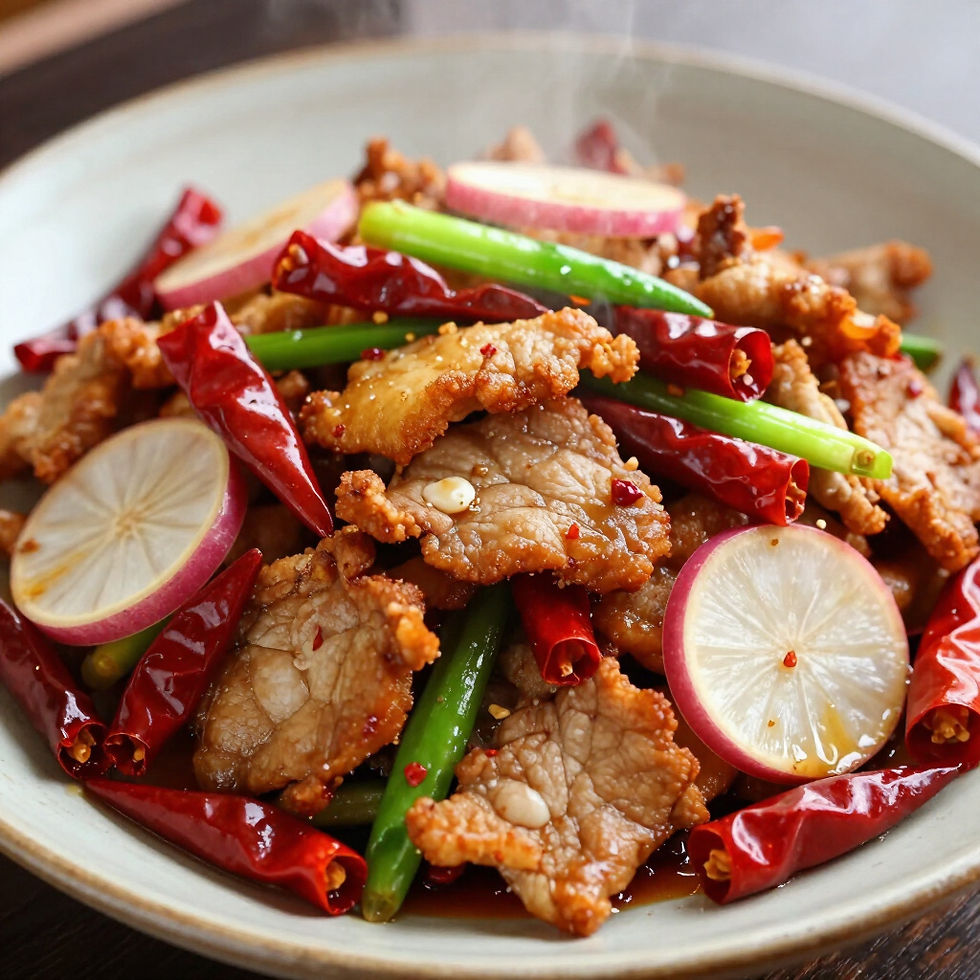
Bhutanese cuisine is defined by the chili. Not as a seasoning, but as a vegetable. To eat in Bhutan is to embrace the heat, the richness of local cheese, and the heartiness of mountain grain.

In Bhutan, the Road Is Part of the Experience
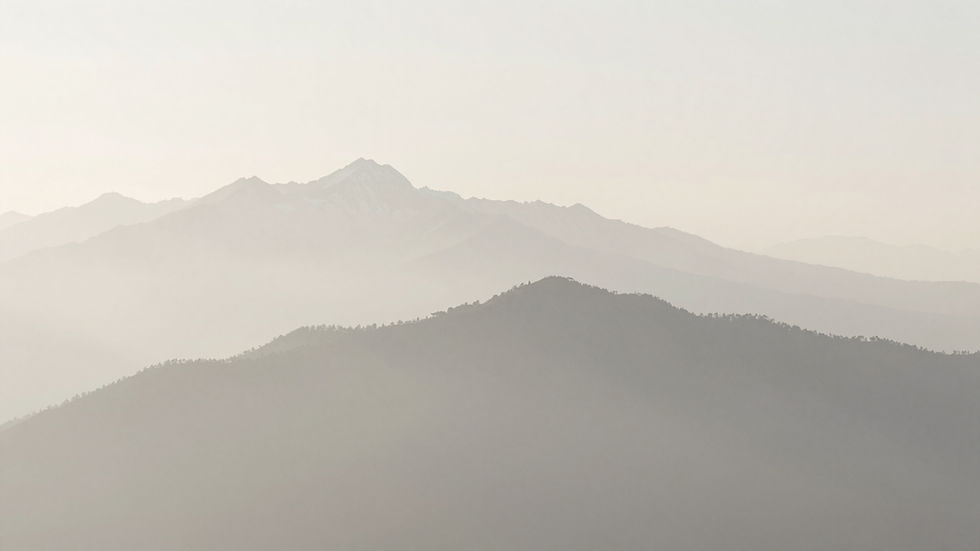
Bhutan is not a country of highways, but of winding roads that climb over high passes and drop into deep valleys. Every turn reveals something new.
Sometimes, the most beautiful moment of the day happens between two destinations.
Mountain valleys
Forest-covered slopes
Rivers
Village homes
Prayer flags
Monasteries
Terraced fields
Unexpected viewpoints
Your Journey. Our Bhutan.
Local Knowledge
Authentic Soul
Walk the Himalayas
Trekking in Bhutan

Druk Path
A classic route between Paro and Thimphu.
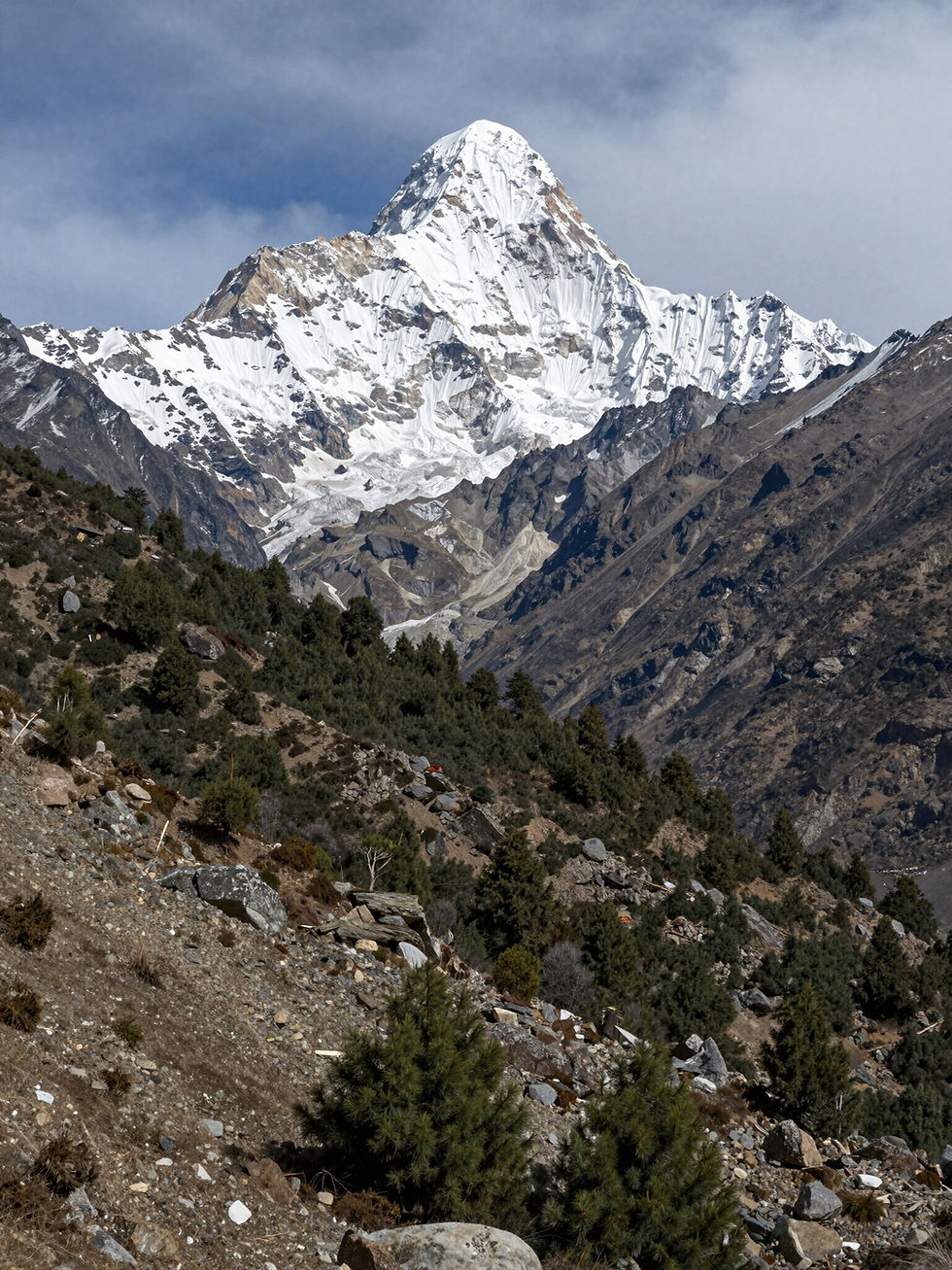
Jomolhari
Facing the sacred Mount Jomolhari.

Dagala Lakes
Pristine alpine lakes and high ridges.
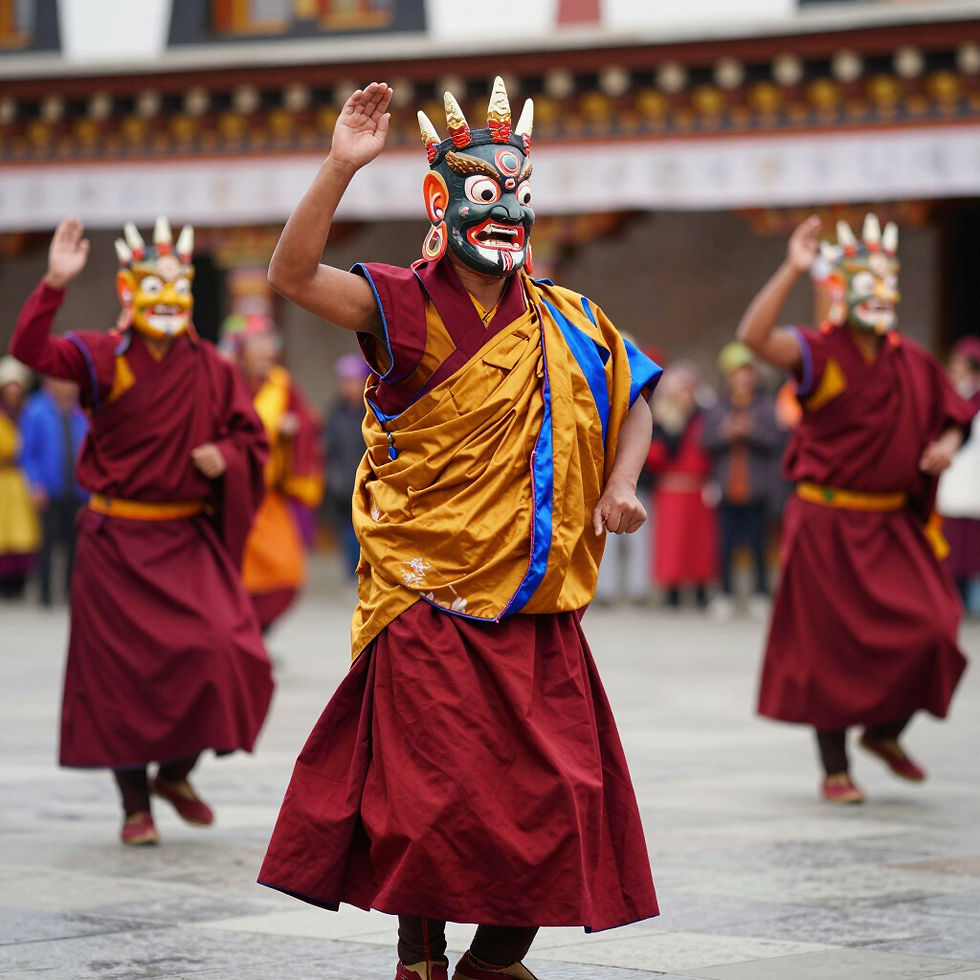
Experience a Tsechu
When Bhutan Comes Alive
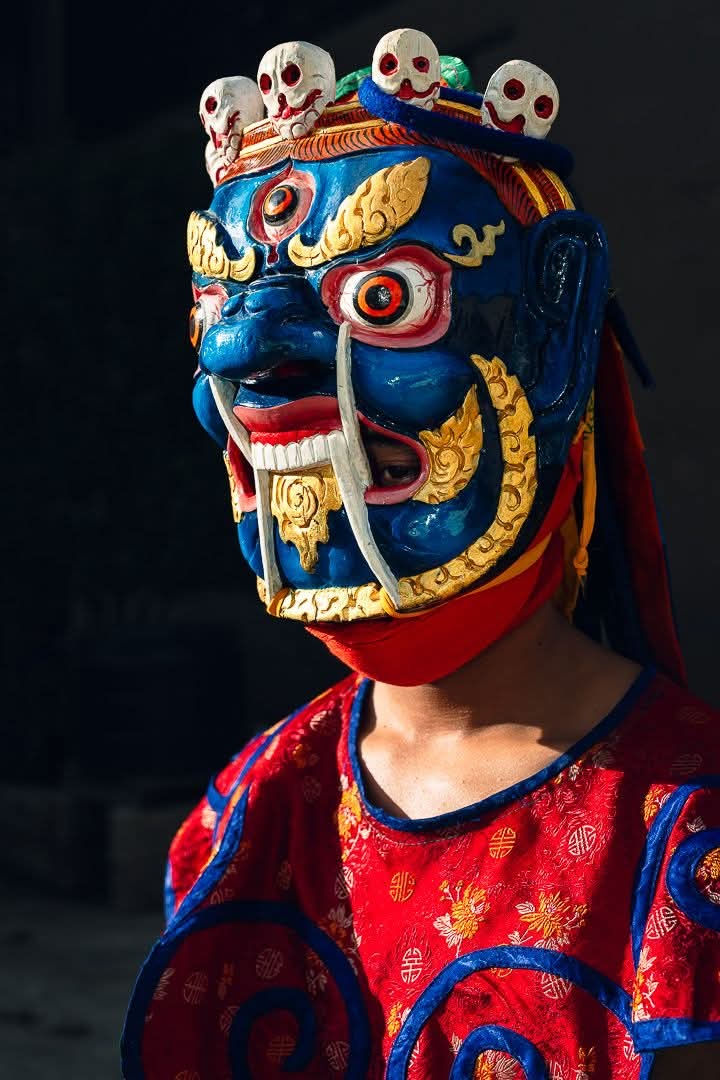
A Tsechu is a religious festival held on the tenth day of a lunar month. It is a time for the community to gather, receive blessings, and witness extraordinary cham dances performed by monks and laymen in breathtaking masks and silks.
Come not simply to watch. Come to understand.
Look Beyond the Landmark
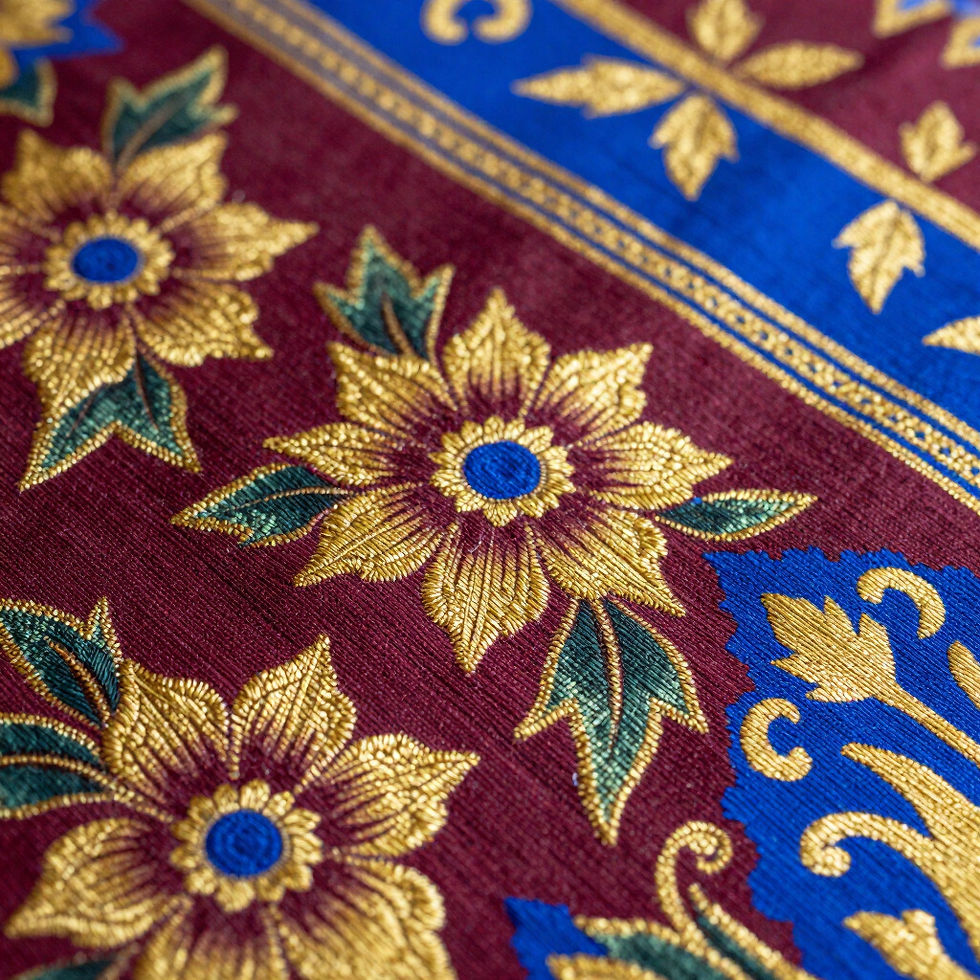
Bhutan is a photographer's dream. The light falling across the ridges, the texture of hand-woven textiles, and the clear gaze of a young nun these are the frames that tell the true story.
Sometimes, just photograph the silence.



SEE THE BHUTAN THAT MAY NOT BE HERE FOREVER
WE WANT YOU TO EXPERIENCE IT WHILE IT IS ALIVE.
Leave a Positive Footprint
Travel Responsibly. Every visit contributes to the welfare of its people through the Sustainable Development Fee.